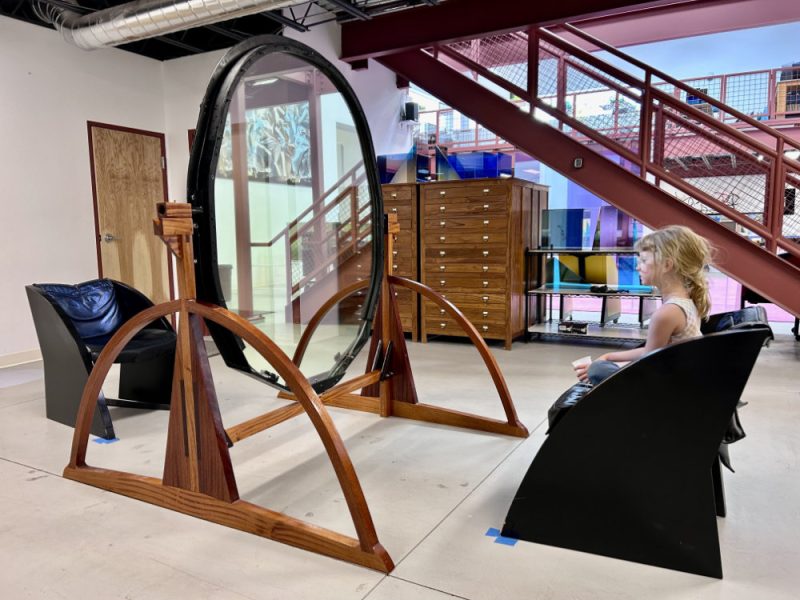
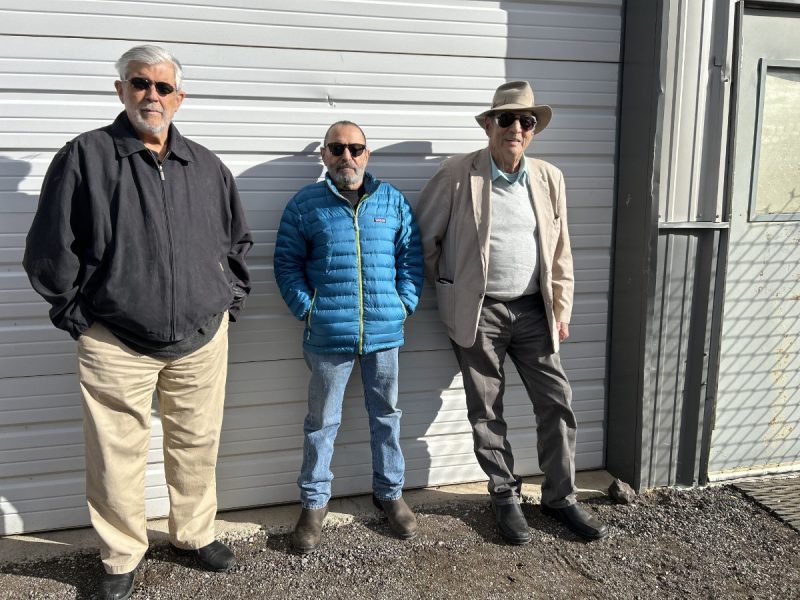
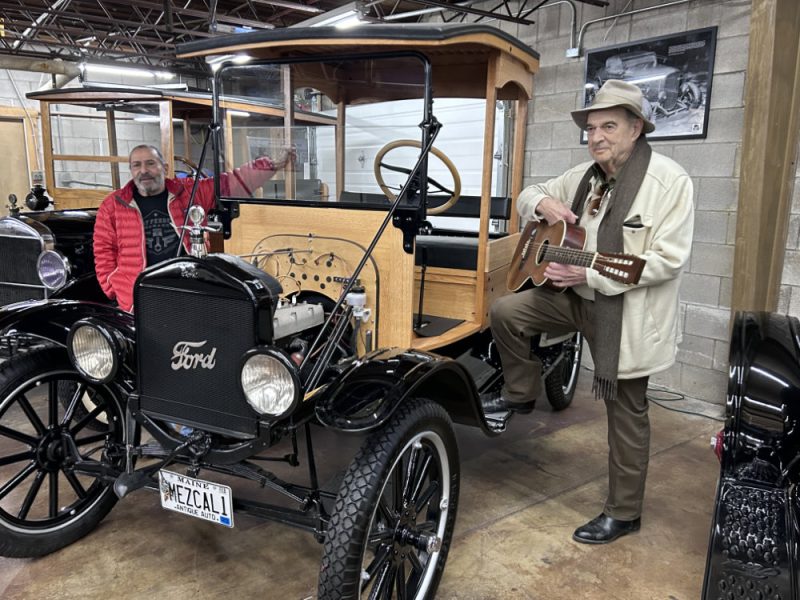
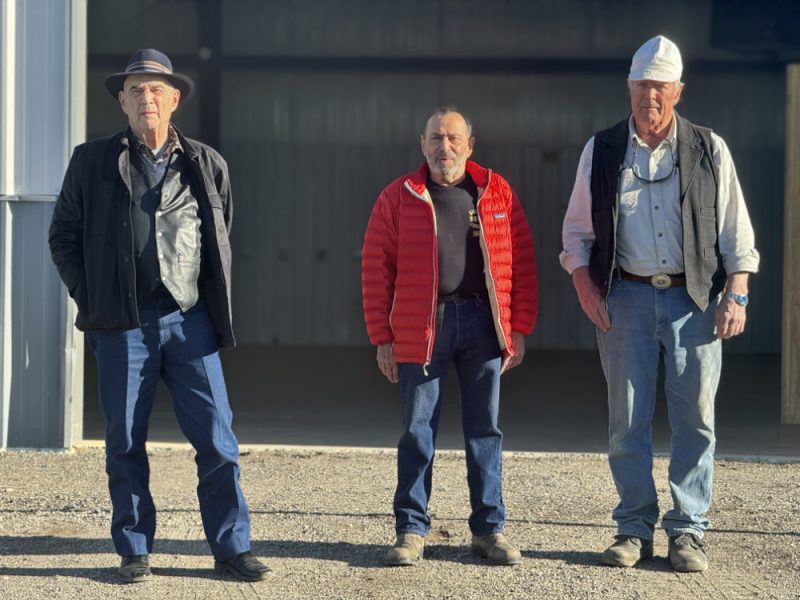
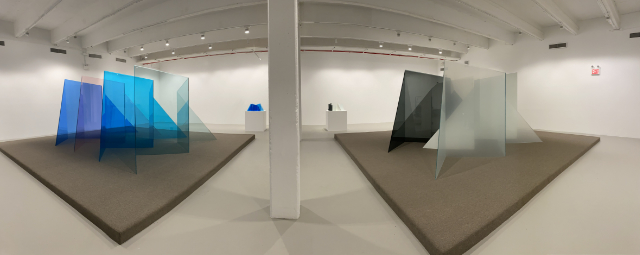
Larry Bell, modern artist based in Taos and Venice, California, has long been on the art scene, here and around the world. Visit his website at
www.larrybell.com.
Below is an article printed by the New Yorker on January 25, 2010:
The Art World
Way Out West
California Minimalism comes to town
By Peter Schjeldahl
"New York light is clear and mild. Los Angeles light is soft and fierce. Edges stand out in New York. In L.A., they melt. . . . A splendid show, at the David Zwirner Gallery, of California minimalism, mostly from the late nineteen-sixties, revisits an apotheosis of the continental divide. Back then, Southern California writers and artists attained global stature by glorifying local quirks. A tiny art community in L.A. absorbed influences of triumphant New York minimalism – the stringent simplicities of Donald Judd, Carl Andre, Dan Flavin, et al. – and responded with forms and ideas that were so distinctive it was as if the movement had been reborn to more indulgent parents. . . . They advanced a philosophical argument about the role of art in life which has aged well. Most of the four-decade-old works at Zwirner feel as fresh as this morning.
"Take Larry Bell’s glass boxes: chrome-framed cubes, vacuum-coated with vaporized minerals (usually grayish, but gold in one instance). The transparent objects admit your gaze. The space inside them is a continuation of the space you occupy, simply inflected with misty tones. The works are minimalist in that they are understood almost before they are seen. Mystery-free, they leave you nothing to be conscious of except yourself, affected by their presence. But unlike, say, Judd’s sternly confrontational metal and wooden geometries, they don’t mind seducing. They are as obvious as furniture and as dreamy as whatever mood you’re in. Not only elegant, they precipitate a feeling of elegance: ease, suavity, cool. They look expensive, not just in their lapidary craft but by extension, assuming an ambiance of taste in key with themselves. (You wouldn’t want a Bell box in a railroad apartment; it would be like living with an indignantly offended aristocrat.) In the sixties, puritanical New Yorkers (me included) liked to deplore the air of lotus-eating chic that Bell shared with other California minimalists. Today, after what seems an eternity of having been pummeled by the big-ticket swank of stainless-steel bunnies by Jeff Koons and tanked sharks by Damien Hirst, I find Bell’s slickness generously candid – and the pseudo-Shaker austerity of Judd, for all his greatness, correspondingly coy. There’s no crime in art’s looking like a luxury. It is a luxury. Meanwhile, the intellectual integrity of the cubes, merging Euclid and reverie, proves rock solid.
"The inveterately Southwestern critic Dave Hickey writes in an upcoming catalogue for the show that, unlike the starkly structural East Coast minimalism, West Coast minimalism, “like the California culture that nurtured it,” is ”intrinsically concerned with chemistry, with the slippery, unstable vernacular of oxygen, neon, argon, resin, lacquer, acrylic, fiberglass, glass, graphite, chrome, sand, water and active human hormones. This is a world that floats, flashes, coats, and teases.” This befits Bell. . .
"You will see one of two shows in the big Finish Fetish room at Zwirner, depending on whether it is illuminated only through the gallery’s skylights, or owing to wintry dimness, the halogens are switched on. . . . These works pass the test of leadership for a major-league aesthetic: faring ahead without deigning to check whether you, or anyone else, is following. Be there or be square."
Visit Primary Atmospheres/ Works from California 1960-1970 at David Zwirner Gallery in New York City, January 8 through February 6, 2010. www.davidzwirner.com